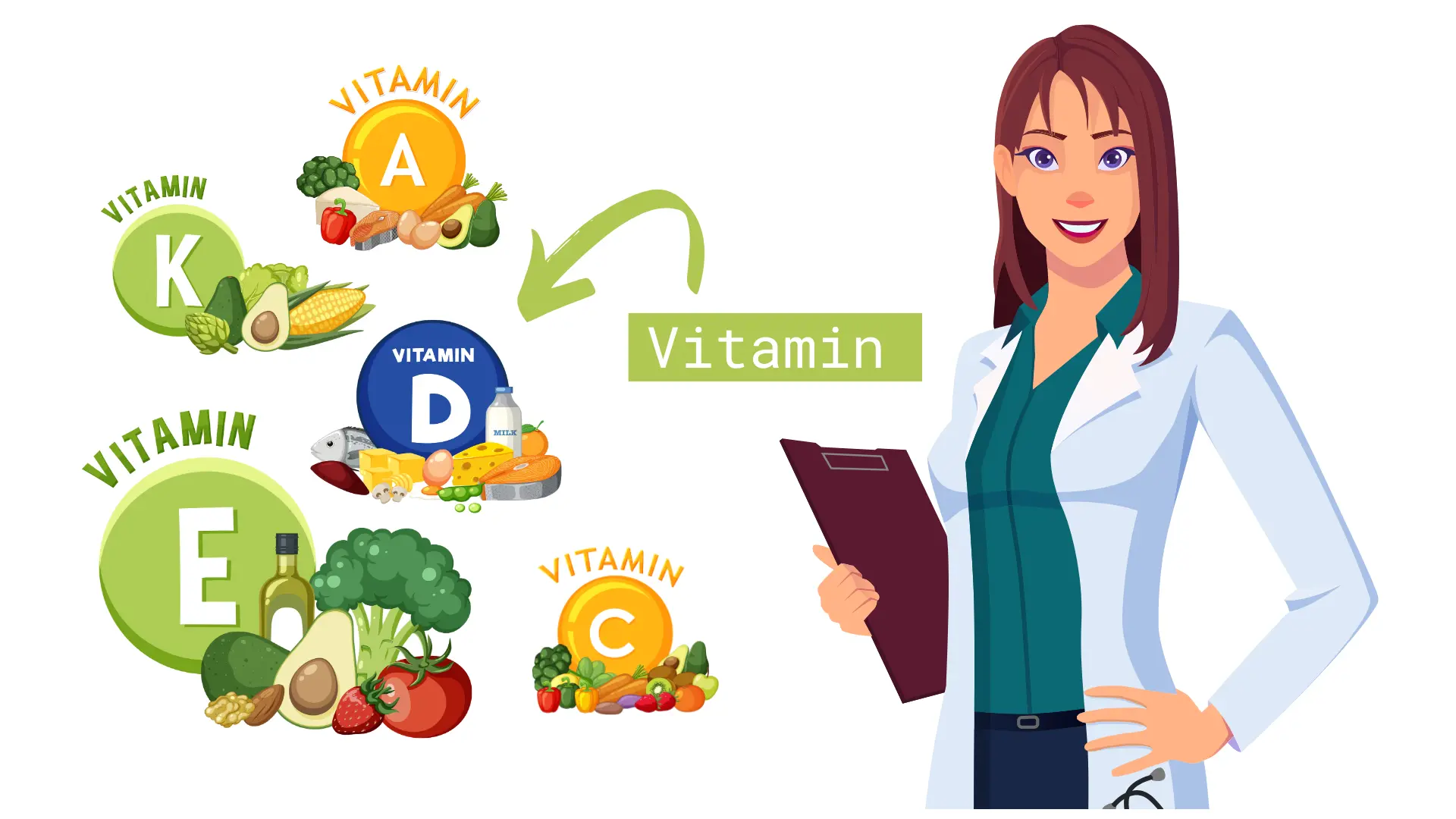
Vitamin A “Essential for vision and immunity”
It is a fat soluble vitamin and chemically known as “retinol’. It is
essential for maintaining the integrity of the epithelial linings
throughout the body for new cell growth and for visual purple. It is
anti-infective and growth promoting vitamin. The daily requirement of
vitamin A for an adult is 5000 I.U. which increases for growing children
Sources of Vitamin A
Animal sources- Cod liver oil and shark liver oil are the richest
sources of vitamin A. It is also available in milk, butter, ghee, eggs
and fish.
Vegetable sources- Provitamin A known as carotene is present
in abundance in yellow pigment of plants, which is converted into
vitamin A in the walls of the intestine. It may be noted that carotenes
are the main source of vitamin A for Indians. Vegetable sources of
vitamin A include green leafy vegetables, carrots, cabbage, mango and
papaya.
Deficiency of Vitamin A
The deficiency of vitamin A leads to :
- Retarded growth and lowered resistance to bacterial infection.
- Night blindness (poor adaptation in darkness).
- Xerophthalmia (dryness of the eye) and keratomalacia of the
cornea (black portion of the eye) becomes soft and gets perforated
and loses its transparency. This condition is very serious and may
result in blindness. - Dryness of skin.
- Respiratory infections like common cold, bronchitis etc.
- Faulty development of teeth and spongy gums.
Large doses of vitamin A ‘Hypervitaminosis A’may lead to loss of
weight, dryness of skin, loss of hair, ulceration in the eyes, spontaneous
fracture, reduction of ascorbic acid content in the tissues, haemorrhage
and lowering of plasma thrombin.
medication

WHAT ARE DOSAGES OF VITAMIN A?
Measurements of Vitamin A:
Grown-up and pediatric
Case
7,500 U
8,000 U
10,000 U
25,000 U
Injectable arrangement
50,000 U/ml
Tablet
10,000 U
15,000 U
Suggested Daily Allowance (RDA)
Portrayed as retinol action same (RAE)
1 RAE = Retinol 1 mcg
Grown-ups:
Guys: 900 mcg each day (3,000 units each day)
Females:
700 mcg each day (2330 units each day)
More established than 18 years pregnant: 750-770 mcg each day (2,500-2,600 units each day)
More established than 18 years breastfeeding: 1300 mcg retinol action same (4330 units each day)
Pediatrics:
Babies 0-6 months: 400 mcg/day retinol action same (1,333 units each day)
Babies 6 a year: 500 mcg/day retinol action same (1,666 units each day)
Kids 1-3 years: 300 mcg/day retinol action same (1,000 units each day)
Kids 3-8 years: 400 mcg/day retinol action same (1,333 units each day)
Kids 8-13 years: 600 mcg/day retinol action same (2,000 units each day)
Kids 13-18 years: 900 mcg/day retinol action same (3,000 units each day)
Upper Intake Levels
Grown-ups:
More established than 18 years: 3,000 mcg each day retinol action same (10,000 units each day)
During pregnancy: 3,000 mcg each day retinol action same (10,000 units each day)
Lactation: 3,000 mcg each day retinol action same (10,000 units each day)
Pediatrics:
Kids 0-3 years: 600 mcg each day retinol action same (2,000 units each day)
Kids 3-8 years: 900 mcg each day retinol action same (3,000 units each day)
Kids 8-13 years: 1,700 mcg each day retinol action same (5,667 units each day)
Kids 13-18 years, pregnant: 2,800 mcg each day retinol action same (9,333 units each day)
Kids 13-18 years, breastfeeding: 2,800 mcg each day retinol action same (9,333 units each day)
effect
Taking more than 10,000 mcg a day of oral vitamin A supplements long term can cause:
Bone thinning.
Liver damage.
Headache.
Diarrhea.
Nausea.
Skin irritation.
Pain in the joints and bone.
Birth defects.
What is Vitamin A poisonousness?
Nutrient A will be a fat dissolvable retinoid. It additionally called retinol.
Nutrient An is required for resistance, visual and dermatological wellbeing just
as cell correspondence and development. In over the top sums, be that as it may,
it can aggregate in the liver and cause a wide cluster of indications. Harmfulness
is delegated either intense or constant.
Nutrient A harmfulness is otherwise called hypervitaminosis A.
What causes Vitamin A harmfulness?
Intense poisonousness
The most well-known reason for intense nutrient A harmfulness is the ingestion
(by and large inadvertent) of more than 300,000 IU of nutrient A.
Ongoing poisonousness
The most well-known reason for constant nutrient A harmfulness is the normal
ingestion of more than 100,000 IU day by day, which is in some cases endorsed for dermatological conditions like skin inflammation.
What are the signs and side effects of Vitamin A poisonousness?
Signs and side effects of intense nutrient A harmfulness can include:
Gastrointestinal: sickness, spewing, loss of craving, stomach torment
Neurological: dazedness, touchiness, languor, expanded intercranial
tension because of cerebral oedema, and migraine
Dermatological: rash or desquamation (stripping skin)
Trance like state and passing
Signs and side effects of ongoing nutrient A harmfulness can include:
Gastrointestinal side effects: hepatomegaly, splenomegaly
Neurological side effects: extreme migraine, pseudotumour cerebri
Dermatological side effects: rash, slim and coarse hair, alopecia of
the eyebrows, tingle, skin that is dry, unpleasant or breaking, and dry or broke lips
Musculoskeletal: shortcoming, cortical hyperostosis of the bone,
arthralgia, simple cracks
In youngsters, signs and indications of nutrient A poisonousness are:
Neurological: crabbiness, sluggishness, insanity, trance like state,
expanded intercranial pressure, swelling fontanelles (in newborn children),
mental changes, cerebral oedema
Ophthamological: protruding eyeballs, enlarging of the cortical plate,
visual aggravations
Dermatological: skin staining and additionally desquamation, tingle
Note that nutrient An is exceptionally teratogenic whenever taken during
pregnancy (particularly in the initial two months) if consumption surpasses
10,000 IU every day. Birth imperfections can likewise be brought about by
isotretinoin or other oral retinoids, whenever taken while pregnant.
Nutrient An and teratogenicity
Unreasonable admission of Vitamin A during pregnancy has been related with
the accompanying birth absconds, altogether known as retinoic corrosive condition:
Encephalitis
Microcephaly
Craniofacial contortions (most usually a congenital fissure)
Cardiovascular abnormalities (most normally a rendering of the incredible vessels)
Thymus abnormality/brokenness
How is Vitamin A poisonousness analyzed?
Finding of nutrient A harmfulness depends on signs and indications,
patient history, way of life propensities and utilization of enhancements.
There is in some cases a helpless correspondence among poisonousness and
serum retinol levels. Nonetheless, serum levels can here and there be
somewhere in the range of 1,000 and 20,000 (with a typical reach being
200 to 800 µg/L). The blood test should be shielded from light.
How is Vitamin A harmfulness treated?
Nutrient a harmfulness is treated by halting the utilization
of nutrient An enhancements. By and large, signs and indications
will resolve all alone with 1 a month, contingent upon their
seriousness. Birth deserts brought about by nutrient A harmfulness
during pregnancy are irreversible.
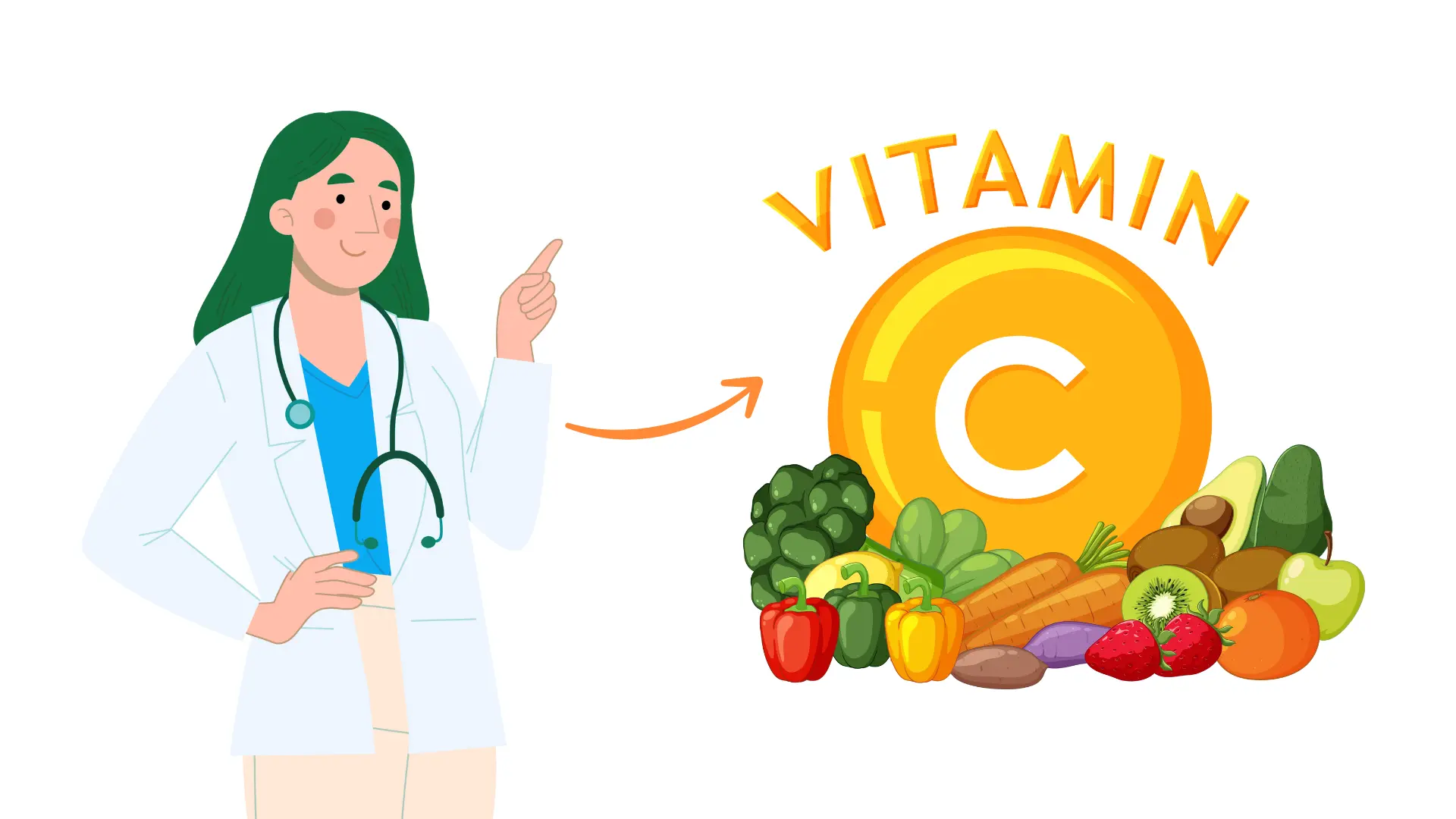
Vitamin C ” Essential nutrient for immune health “
Vitamin C, also known as ascorbic acid, is a water-soluble vitamin found in citrus fruits, berries, and vegetables. It’s also available as a prescription medication and over-the-counter dietary supplement in some countries. This essential nutrient helps repair tissues, form collagen, and produce certain neurotransmitters. It also supports immune function and acts as an antioxidant.
Vitamin C is crucial for the proper functioning of many enzymes in the body. It can be taken by mouth or through injections. It’s commonly used to prevent and treat scurvy, a disease caused by a lack of vitamin C. While some believe that moderate vitamin C deficiency can increase the risk of diseases like the common cold, cancer, or COVID-19, these claims need more clarification. There’s also debate about the benefits of taking more vitamin C than the recommended daily amount for people who aren’t deficient.
Most animals can make their own vitamin C, but humans, monkeys, some bats, and a few other animals need to get it from their diet because they lack a functioning gene for producing it.
Vitamin C was discovered in 1912, isolated in 1928, and was the first vitamin to be chemically produced in 1933. Albert Szent-Györgyi won the 1937 Nobel Prize in Physiology or Medicine partly for this discovery.
sources of Vitamin C
1.Citrus Fruits : Oranges, lemons, limes, and grapefruits.
2.Berries : Strawberries, raspberries, blueberries, and blackberries.
3.Tropical Fruits**: Pineapples, mangoes, and papayas.
4.Melons : Cantaloupe and watermelon.
5. Vegetables : Bell peppers, broccoli, Brussels sprouts, and kale.
6. Tomatoes : Fresh tomatoes and tomato juice.
7. Leafy Greens : Spinach and other dark green leafy vegetables.
8. Cruciferous Vegetables : Cauliflower and cabbage.
9. Potatoes : Both white and sweet potatoes.
10. Herbs : Parsley, thyme, and cilantro.
Deficiency of Vitamin C
- Scurvy: Symptoms include fatigue, swollen gums, joint pain, and bruising easily.
- Weakened Immune System: Increased susceptibility to infections and illnesses.
- Poor Wound Healing: Cuts and bruises take longer to heal.
- Bleeding Gums: Gum inflammation and bleeding, leading to periodontal issues.
- Dry, Rough Skin: Skin may become dry, rough, and bumpy.
- Frequent Nosebleeds: Increased tendency for nosebleeds due to weakened blood vessels.
- Swollen and Painful Joints: Joint pain and swelling due to weakened connective tissues.
- Fatigue and Weakness: Persistent tiredness and muscle weakness.
- Anemia: Lower red blood cell count leading to fatigue and weakness.
- Mood Changes: Increased irritability and depression.
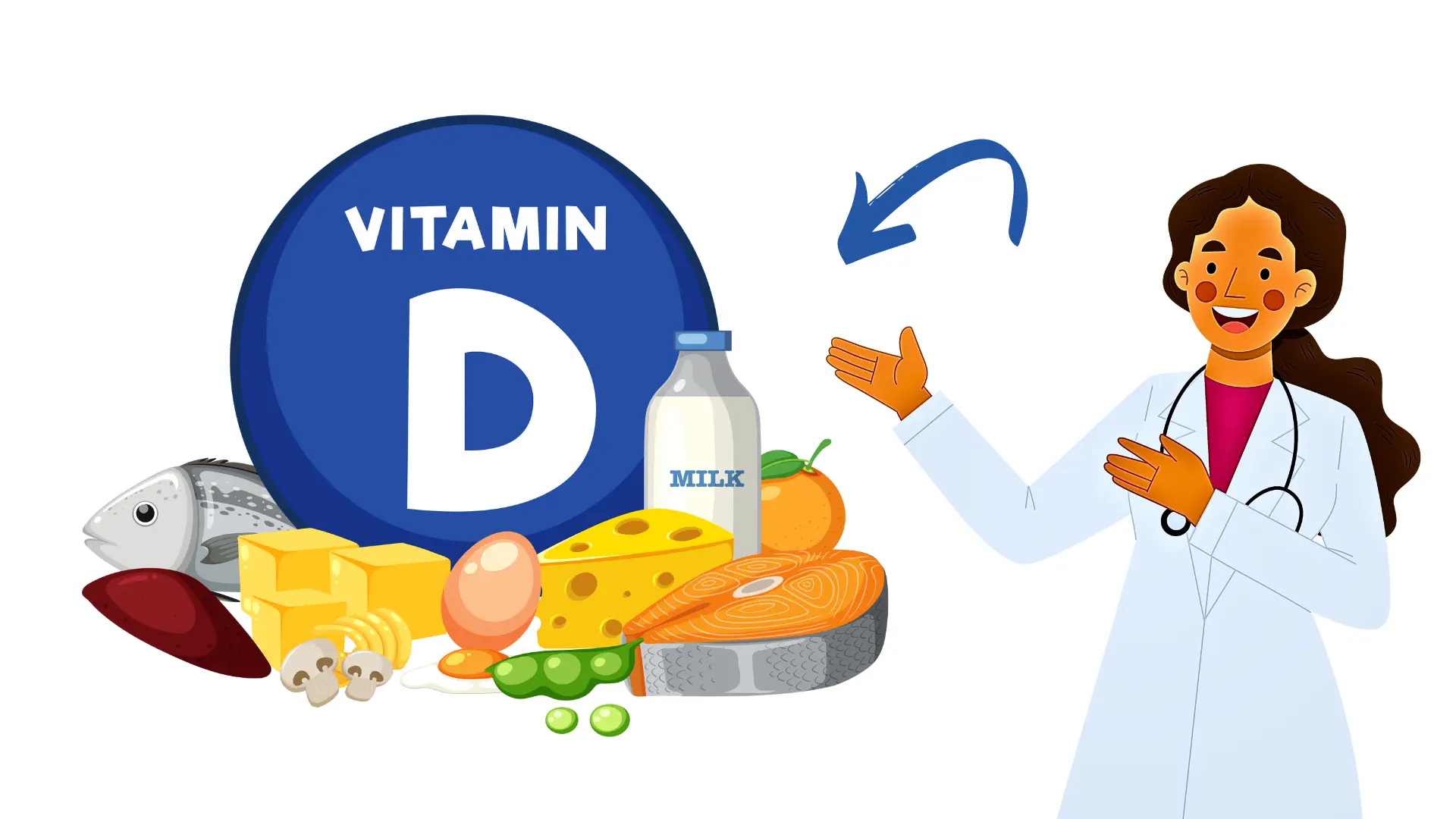
Vitamin D ” Essential nutrient for bone health “
There are two biological precursors (provitamins) to vitamin D known
as ergosterol and 7-dehydro-cholesterol which are con verted to vitamin
D, (ergocalciferol) and vitamin D, (cholecalciferol) respectively by
ultraviolet rays present in sunlight.
Vitamin D is essential for the calcification of bones and teeth and
for the prevention and cure of rickets and osteomalacia. It is
thermostable and resistant to oxidation.
Sources of Vitamin D
It is present in egg yolk, cod liver oil, halibut liver oil, butter and ghee.
Cod liver oil is the richest source of vitamin D. Sunlight is an important
natural source of vitamin D. The ultraviolet rays present in sunlıght
convert ergosterol found in skin to vitamin D, and vitamin D, The rate
at which vitamin D is synthesised in the skin depends upon the exposure
of the body to the sunn.
SOURCE APPROXIMATE VITAMIN D CONTENT*
Strengthened sources
Grain- 100 IU per serving
Milk- 100 IU per 8 oz
Squeezed orange- 100 IU per 8 oz
Nonfortified food sources
Bosom milk†- 20 IU per L
Cod liver oil- 400 IU per teaspoon
Egg yolk- 20 IU
Mackerel (canned)- 250 IU per 3.5 oz
Salmon (canned)- 300 to 600 IU per 3.5 oz
Salmon (new, cultivated)- 100 to 250 IU per 3.5 oz
Salmon (new, wild)- 600 to 1,000 IU per 3.5 oz
Sardines (canned)- 300 IU per 3.5 oz
Fish (canned)- 230 IU per 3.6 oz
Remedy supplements
Nutrient D (ergocalciferol)- 50,000 IU per case
Nutrient D (ergocalciferol [Drisdol])- fluid enhancements 8,000 IU per mL
1,25-dihydroxyvitamin D (calcitriol [Rocaltrol])- 0.25 or 0.5 mcg per container
1,25-dihydroxyvitamin D (calcitriol [Calcijex])- 1 mcg for every mL answer for infusion
Over-the-counter enhancements
Nutrient D or cholecalciferol- 400, 800, 1,000, or 2,000 IU per table
what different variables can prompt Vitamin D insufficiency?
Age: The skin’s capacity to make nutrient D diminishes with age.
Versatility: People who are homebound or are once in a while outside (for
instance, individuals in nursing homes and different offices) can’t utilize
sun openness as a wellspring of nutrient D.
Skin tone: Dark-hued skin is less ready to make nutrient D than reasonable hued skin.
Human bosom milk: A lady’s bosom milk just holds back a limited quantity of
nutrient D. Regularly baby equations additionally just incorporate a modest
quantity of D moreover. Thusly babies are in danger of not getting sufficient
nutrient D. This is particularly valid for babies who are just taken care of
bosom milk.
symptoms of vitamin d deficiency in babies?
So do infants creating in the belly. Nutrient D assists us with retaining
calcium. Genuine nutrient D inadequacy in kids can cause rickets,
deferred engine advancement, muscle shortcoming, a throbbing painfulness,
and cracks.
symptoms of vitamin d deficiency in adults?
Exhaustion. Bone agony.
Muscle shortcoming, muscle hurts, or muscle cramps.
State of mind changes, similar to misery
The daily requirement of vitamin D is 1000 I.U.
Age Male Female Pregnancy Lactation
0-12 months 10 mcg(400 IU) 10 mcg(400 IU) * *
1–13 years 15 mcg(600 IU) 15 mcg(600 IU) * *
14–18 years 15 mcg(600 IU) 15 mcg(600 IU) 15 mcg(600 IU) 15 mcg(600 IU)
19–50 years 15 mcg(600 IU) 15 mcg(600 IU) 15 mcg(600 IU) 15 mcg(600 IU)
70 years 15 mcg(600 IU) 15 mcg(600 IU) * *
70 years 20 mcg(800 IU) 20 mcg(800 IU) * *
What are the signs and indications of Vitamin D lack?
Serious absence of nutrient D causes rickets, which appears in kids as inaccurate
development designs, shortcoming in muscles, torment in bones and deformations in
joints. This is extremely uncommon. Nonetheless, kids who are inadequate in nutrient
D can likewise have muscle shortcoming or sore and agonizing muscles.
Absence of nutrient D isn’t exactly as clear in grown-ups. Signs
and indications may include:
Weariness. Bone agony. Muscle shortcoming, muscle hurts, or muscle cramps.
Deficiency of Vitamin D
Deficiency of vitamin D leads to rickets and dental caries in children
and osteomalacia in adults. It may also lead to increased loss of calcium
and phosphates in the faeces.
Excess amount of vitamin D leads to hypercalcaemia resulting
in anorexia (loss of appetite), nausea, vomiting, drowziness and even
coma
calculation of vitamin D—https://omegaquant.com/vitamin-d-calculator/
Medication-
ergocalciferol,D3,Drisdol,Calciferol,Replesta,Carlson D,D3-50,Decara,Bio-D-Mulsion,
Bio-D-Mulsion Forte,BProtected Pedia D-Vite,D3-5,Ddrops,Delta D3,Calcidol,
UpSpringbaby D,Thera-D Rapid Repletion,Replesta NX,Enfamil D-Vi-Sol.
IF i make any mistake please inform us we will correct it
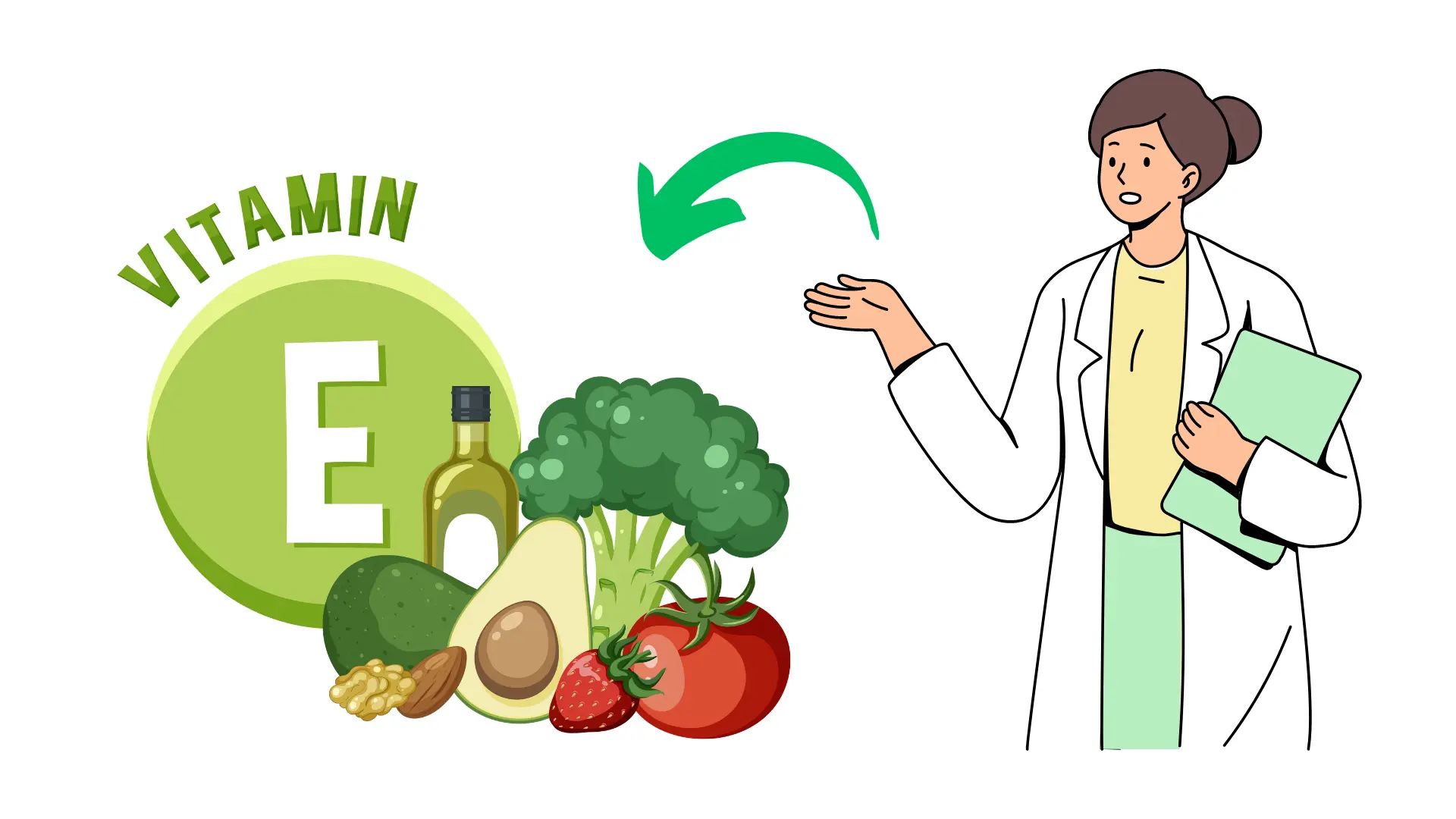
Vitamin E ” Essential antioxidant for body health “
Brand Name: Aquasol E, alpha-tocopherol, tocopherol
Generic Name: Vitamin E
Drug Class: Vitamins, Fat-Soluble
Vitamin E (tocopherol) is an anti-sterility vitamin. It was discovered
by Dr. Evans of U.S.A. who named it vitamin E. It is a fat soluble.
Vitamin E is found naturally in some foods, added to others,
and available as a dietary supplement. “Vitamin E” is the
collective name for a group of fat-soluble compounds with
distinctive antioxidant activities
vitamin which is stable to heat and light but is destroyed on oxidation.
Sources
Vitamin E is present in wheat, cereal embryos, green leaves and some
vegetable oils. Vitamin E is widely distributed in nature therefore its
deficiency is rarely noticed.
Good sources include: plant oils – such as rapeseed (vegetable oil),
sunflower, soya, corn and olive oil. nuts and seeds.
What amount of Vitamin E do you require?
Grown-ups and kids 14 years and more established need 15 milligrams (mg)
of nutrient E each day.
Kids under this age need a more modest portion consistently:
ages 1 to 3: 6 mg/day
ages 4 to 8: 7 mg/day
ages 9 to 13: 11 mg/day
Teenagers: 15 milligrams/day
Adults: 15 milligrams/day
Pregnant teens and women: 15 milligrams/day
Breastfeeding mothers: 19 milligrams/day
Ladies who are breastfeeding ought to get 19 mg each day.
Joining only a couple of food varieties each day will assist you with
meeting your nutrient E consumption.
For instance:
One ounce of sunflower seeds contains 7.4 mg of nutrient E.
Two tablespoons of peanut butter contain 2.9 mg of nutrient E.
A half cup of spinach contains 1.9 mg of nutrient E.
Vitamin E Deficiency symptoms
General and unexplainable feeling of unwellness
Muscular pain or weakness
Difficulty in coordination and loss of body movement control
Visual challenges and deterioration
Immunity problems
Numbness and tingling
Nutrient E lack can cause nerve and muscle harm that outcomes in loss of
feeling in the arms and legs, loss of body development control, muscle
shortcoming, and vision issues. One more indication of inadequacy is a
debilitated insusceptible framework
Therapeutically vitamin E is used in the prevention of abortion.
in certain menstrual disorders and in the improvement of lactation. It
plays an important role in the maintenance of structural and functional
features of smooth muscles, cardiac muscles and skeletal muscles.
Deficiency of vitamin E leads to death of foetus in uterus and
sterility in males and females in the lower animals. The daily
requirement of vitamin E for an adult is 10 mg.
IMPORTANT OF VITAMIN E
Vomiting,Diarrhoea,Abnormal bleeding,Muscle pain and aches,cases etc.
May ease osteoarthritis symptoms-
Osteoarthritis is a persistent condition that includes the degeneration
of joints that outcomes in torment and solidness. Scientists have
concentrated on nutrient E supplementation and the side effects of
osteoarthritis and have tracked down some encouraging outcomes
that actually should be confirmed with additional examinations.
One little review from 2017Trusted Source found that people with
late-stage knee osteoarthritis who were given 400 IU of nutrient
E once every day for a considerable length of time had worked
on clinical indications and decreased oxidative pressure conditions.
May assist with overseeing diabetes-
Diabetes is another ongoing condition that includes insulin obstruction
and is associated with expanded oxidative pressure in the body.
There have been many examinations including nutrient E supplementation
and diabetes (types 1 and 2), and there is by all accounts proof that
nutrient E might assist with postponing the beginning of the sickness
and facilitate the side effects.
As a meta-investigation from 2018Trusted Source finishes up: Vitamin E
might be an important methodology for controlling diabetes
inconveniences, however more examinations should be done prior to
anything authoritative can be expressed.
Valuable for your skin-
Nutrient E is a typical fixing in beauty care products for mature-looking
skin and is regularly utilized in items made for wound recuperating.
Since nutrient E ensures the body against oxidative pressure, it might
assist with shielding the skin from ecological stressors. While a few
examinations have shown that effective nutrient E might have
photoprotective properties (which means it can help secure against
skin harm brought about by daylight), there isn’t solid proof for its
injury mending impacts.
More controlled preliminaries that propose doses and thinking for
oral application versus effective are required before ends with
respect to how advantageous nutrient E is for the skin.
Nutrient E as a Moisturizing Agent-
As an oil-solvent supplement, Vitamin E is heavier than water-dissolvable
items. Applying it forestalls loss of dampness, the reason for got dried
out skin, and reestablishes and restores dull skin. Blend two or three
Vitamin E oil drops into your customary saturating moisturizer or into
virgin olive oil, and apply on your skin at sleep time.
Cancer-
Also, large doses of vitamin E supplements have been shown to
possibly increase the risk of prostate cancer.
Safety use
over dose..
Nausea,
Diarrhea,
Intestinal cramps,
Fatigue,
Weakness,
Headache,
Blurred vision,
Rash,
Gonadal dysfunction,
Increased concentration of creatine in the urine (creatinuria).
Drugs are included in drugs…
ferrous sulfate,
iron sucrose,
polysaccharide iron,
vortioxetine.
What would it be a good idea for me to look for while utilizing this medication?
Follow a decent eating regimen. Taking a nutrient enhancement doesn’t
substitute the requirement for a reasonable eating regimen. A few food
varieties that have this nutrient normally are cereal grains,
organic products, green verdant vegetables, vegetable oils,
and raw grain oil.
A lot of this nutrient can be risky. Converse with your primary
care physician or medical services supplier regarding what
amount is appropriate for you.
In case you are booked for any clinical or dental technique,
tell your medical care supplier that you are taking this
nutrient. You might have to quit taking it before the methodology.
STORAGE-
Keep out of the scope of youngsters.
Store at room temperature somewhere in the range of 15 and
30 degrees C (59 and 85 degrees F). Shield from hotness
and light. Discard any unused medication after the termination date.
NOTE: This sheet is an outline. It may not cover all conceivable
data. On the off chance that you have inquiries regarding this
medication, converse with your primary care physician, drug
specialist, or medical care supplier.
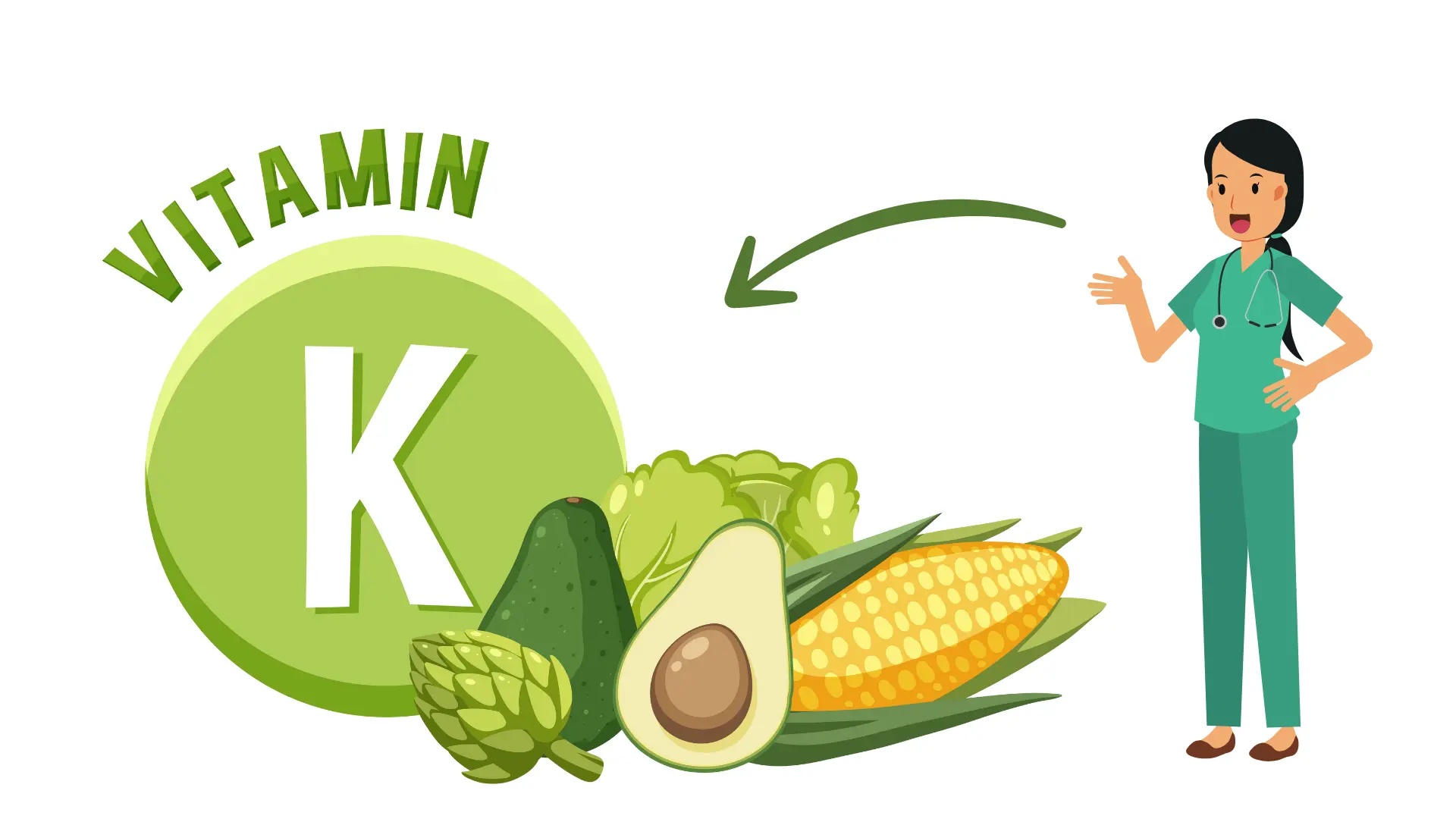
Vitamin k ” Essential for blood clotting health “
Nutrient K alludes to basically comparative, fat-dissolvable vitamers found in food varieties and promoted as dietary enhancements. The human body requires nutrient K for post-combination change of specific proteins that are needed for blood coagulation or for controlling restricting of calcium in bones and different tissues
Use: Vitamin K lack, Warfarin glut.
Organic objective: Gamma-glutamyl carboxylase .
Drugs.com: Medical Encyclopedia .
ATC code: B02BA
IUPAC NAME-2-methyl-3-[(E,7R,11R)-3,7,11,15-tetramethylhexadec-2-enyl]naphthalene-1,4-dione.
Nutrient K is a fat-dissolvable nutrient that comes in two structures. The principle type is called phylloquinone, found in green verdant vegetables like collard greens, kale, and spinach. The other kind, menaquinones, are found in some creature food sources and matured food sources. Menaquinones can likewise be created by microbes in the human body. [1]
Nutrient K assists with making different proteins that are required for blood coagulating and the structure of bones. Prothrombin is a nutrient K-subordinate protein straightforwardly associated with blood coagulating. Osteocalcin is another protein that requires nutrient K to deliver sound bone tissue.
Nutrient K is found all through the body including the liver, mind, heart, pancreas, and bone. It is separated rapidly and discharged in pee or stool. Along these lines, it once in a while arrives at poisonous levels in the body even with high admissions, as may here and there happen with other fat-dissolvable nutrients.
Resorces Of Vitamin k
Nutrient K1 happens in high sums in verdant green vegetables, like kale and Swiss chard. Different sources incorporate vegetable oils and a few organic products.
Wellsprings of menanoquines, or K2, incorporate meat, dairy items, eggs, and Japanese “natto,” produced using matured soy beans.
Here are test some food wellsprings of nutrient K:
10 branches of parsley contains 90 micrograms (mcg)
a 3-ounce serving of natto contains 850 mcg
a half-cup serving of frozen and bubbled collard greens contains 530 mcg
one cup of crude spinach contains 145 mcg
1 tablespoon of soybean oil contains 25 mcg
a half-cup serving of grapes contains 11 mcg
a hard-bubbled egg contains 4 mcg
Most grown-ups in the U.S. are accepted to burn-through enough nutrient K.
Top Foods-
….
Way to get more vitamin k
1.Useful for Bones and Blood
Nutrient K is a fundamental supplement that helps your blood coagulation and your bones develop the manner in which they ought to. It additionally may assist with forestalling the bone infection osteoporosis and secure you against coronary illness. You can get nutrient K from specific food varieties, and most weight control plans in the United States contain enough of the every day suggested objective (90 micrograms for ladies and 120 micrograms for men).
2.Eat More Leafy Greens
Mother was correct: Spinach is beneficial for you. This verdant green and others, similar to collard greens and kale, beat out everyone else with regards to nutrient K. Cooked kale is a nutrient K force to be reckoned with, pressing 561 micrograms in one-half cup. Crude, 1/2 cup has 250 mcg. You’d prefer have crude spinach in a serving of mixed greens or smoothie? You get around 75 micrograms for a similar half-cup serving.
3.Attempt Other Veggies
Vegetables are your best wellspring of dietary nutrient K, however you don’t need to adhere to mixed greens to fuel up on it. Cooked Brussels fledglings and broccoli are packed with K, giving you around 110 micrograms for each half-cup serving. Other great veggie decisions are scallions, frozen asparagus, frozen okra, crude watercress, and green cabbage. One speedy nutrient K supporter: Add 10 twigs of parsley to a supper.
4.Have an Apple
Organic product isn’t super plentiful in nutrient K, however certain ones can provide you with a fast eruption of it. A cup of cut avocado can surrender you to 50 micrograms of nutrient K. One-half cup of stewed prunes nets you around 32 micrograms. Blueberries (14 microgram/half-cup) and grapes (11 micrograms/half-cup) and apples (up to 5 micrograms for one little apple) have lower sums yet are not difficult to add to a supper in a hurry.
5.Cook With Soybean Oil
This oil – and canola, as well – are plentiful in the most widely recognized type of nutrient K, phylloquinone. A tablespoon of soybean oil has around 25 micrograms of nutrient K and a similar measure of canola oil has around 10 micrograms.
6.Go crazy
They’re loaded with protein, fiber, solid oils, and other key supplements that battle aggravation and keep your heart solid. Cashews, blended nuts, and pine nuts, specifically, offer you an additional a chance of nutrient K. Add pine nuts to a pasta dish, or get a small bunch of cashews or blended nuts for a noontime nibble. Every last piece makes a difference.
7.Put Fish on the Menu
The American Heart Association suggests eating fish, like salmon, to some degree two times every week. It’s stacked with solid oils, protein, and minerals that lower circulatory strain and assist ward with offing coronary failures and strokes. Cooked salmon and shrimp have a little nutrient K, however light canned fish in oil is stacked with 37 micrograms for every 3-ounce serving.
8.Have a Glass of Juice
In a rush? Drink your foods grown from the ground all things considered. 3/4 of some carrot juice provides you with a fast serving of nutrient K – around 28 micrograms. Not enthused about carrots? Attempt pomegranate squeeze all things considered. A similar sum comes in at 19 micrograms. Furthermore, a few drinks are braced with nutrient K. Actually take a look at the mark certainly.
9.Cook With Spinach Noodles
Needing pasta? Attempt spinach noodles. A half-cup can truly support your nutrient K for the afternoon.. Include an equivalent measure of tomato glue or marinara, and you knock that up a touch more. Eating out? Numerous pureed tomatoes dishes have sound measures of nutrient K. Indeed, even takeout pizza with pureed tomatoes gives you a little lift.
10.Attempt Fermented Soybeans
Bubbled, aged soybeans, called natto, have been a staple of the Japanese eating routine for over a century. The customary dish has a lot of nutrient K. Only 3 ounces give you 850 micrograms. Examination additionally proposes that natto can dial back the deficiency of bone mass in ladies who have gone through menopause. That implies it might assist with forestalling osteoporosis.
Uses Of Vitamin k
New conceived children are in danger of lack of nutrient K for quite a long time. Nutrient K doesn’t cross the placenta to arrive at the hatchling; the sterile gut of the infant implies colonic bacterial combination of nutrient K2 is low and bosom milk is low in nutrient K. A bosom took care of child can be low in nutrient K for a long time, until their gut begins to foster the microbes needed to integrate nutrient K2. These children are in danger of a condition called hemorrhagic sickness of the infant, where serious draining can now and then reason mind harm. As a safeguard measure, infants are regularly given nutrient K infusions after birth.
The capacity of Vitamin K is accomplished through its job in a carboxylation response that changes over glutamate (Glu) buildups in prothrombin to gamma-carboxylglutamate deposits (Gla). These adjusted buildups are frequently found in the Gla areas of specific proteins associated with calcium restricting, which are alluded to as Gla proteins. At present, there are six known proteins in the human body that contain Gla spaces and these assume a part in key real cycles. Instances of these proteins incorporate prothrombin and components VII, IX, and X associated with blood coagulation. One more model is osteocalcin, which is needed for bone digestion. A few examinations have shown that nutrient K supplementation can assist with ensuring against bone misfortune in post-menopausal ladies, as it eases back the osteoclastic processes interceded by calcium holding.
Nutrient K is broadly used to treat instances of warfarin glut.
Studies have demonstrated that the cancer prevention agent properties of nutrient K might effectsly affect neural harm. Exploration is continuous to see if nutrient K supplementation might be valuable in the treatment of sicknesses like Alzheimer’s illness.
When applied topically as a 5% cream, nutrient K can assist with lessening post-usable draining after surface level a medical procedure. It can likewise work on the presence of burst vessels, rosacea side effects and dark circles under the eyes.
Forestalling draining issues in babies with low degrees of nutrient K (hemorrhagic infection). Offering nutrient K1 by mouth or as a chance into the muscle forestalls draining issues in babies. Shots appear to work the best.
Treating and forestalling draining issues in individuals with low levels of the blood thickening protein prothrombin. Taking nutrient K1 by mouth or as an infusion into the vein can forestall and treat draining issues in individuals with low degrees of prothrombin because of utilizing specific prescriptions.
An acquired draining problem called nutrient K-subordinate coagulating factors lack (VKCFD). Taking nutrient K by mouth or as an infusion into the vein can assist with forestalling draining in individuals with VKCFD.
Switching the impacts of an excess of warfarin used to forestall blood coagulating. Taking nutrient K1 by mouth or as in infusion into the vein can switch an excess of blood coagulating brought about by warfarin. Notwithstanding, infusing nutrient K1 under the skin doesn’t appear to work. Taking nutrient K alongside warfarin likewise appears to assist with settling blood thickening time in individuals taking warfarin. It works best in individuals who have low nutrient K levels.
Dosages Of Vitamin k
Dosing
The portion drugs in this class will be distinctive for various patients. Follow your physician’s instructions or the headings on the mark. The accompanying data incorporates just the normal portions of these prescriptions. On the off chance that your portion is unique, don’t transform it except if your primary care physician advises you to do as such.
The measure of medication that you take relies upon the strength of the medication. Additionally, the quantity of dosages you require every day, the time permitted among portions, and the period of time you take the medication rely upon the clinical issue for which you are utilizing the medication.
For menadiol
For oral measurement structure (tablets):
For issues with blood coagulating or expanded dying, or for dietary supplementation:
Grown-ups and kids—The typical portion is 5 to 10 milligrams (mg) a day.
For infusion dose structure:
For issues with blood coagulating or expanded dying, or for dietary supplementation:
Grown-ups and young people—The typical portion is 5 to 15 mg, infused into a muscle or under the skin, a couple of times each day.
Kids—The standard portion is 5 to 10 mg, infused into a muscle or under the skin, a couple of times each day.
For phytonadione
For oral dose structure (tablets):
For issues with blood coagulating or expanded dying:
Grown-ups and young people—The typical portion is 2.5 to 25 milligrams (mg), infrequently up to 50 mg. The portion might be rehashed, if necessary.
Kids—Use isn’t suggested.
For infusion measurement structure:
For issues with blood coagulating or expanded dying:
Grown-ups and youngsters—The typical portion is 2.5 to 25 mg, once in a while up to 50 mg, infused under the skin. The portion might be rehashed, if necessary.
For counteraction of draining in babies:
The standard portion is 0.5 to 1 mg, infused into a muscle or under the skin, just after conveyance. The portion might be rehashed following six to eight hours, if necessary.
Missed Dose
On the off chance that you miss a portion of this medication, accept it quickly. Nonetheless, in case it is nearly an ideal opportunity for your next portion, skirt the missed portion and return to your standard dosing plan. Try not to twofold dosages.
Educate your primary care physician regarding any dosages you miss.
Group-=-=-=-=-=-=-=-=-=Adequate Intake
Children 0-6 months====2 micrograms/day
Children 7-12 months—2.5 micrograms/day
Children 1-3———–30 micrograms/day
Children 4-8===========55 micrograms/day
Children 9-13———-60 micrograms/day
Girls 14-18============75 micrograms/day
Women 19 and up——–90 micrograms/day
Women, pregnant or breastfeeding (19-50)==============90 micrograms/day
Women, pregnant or breastfeeding (under 19)———–75 micrograms/day
Boys 14-18=============75 micrograms/day
Men 19 and up———-120 micrograms/day
Effects Of Vitamin k
Alongside its required impacts, a medication might cause some undesirable impacts. Albeit not these incidental effects might happen, in the event that they do happen they might require clinical consideration.
Check with your primary care physician straightaway if any of the accompanying incidental effects happen:
More uncommon=
Diminished hunger ,
diminished development or action,
trouble in relaxing ,
amplified liver ,
general body expanding ,
touchiness ,
muscle firmness ,
pallor ,
yellow eyes or skin ,
Uncommon=
Trouble in gulping ,
quick or sporadic relaxing ,
wooziness or blacking out ,
windedness ,
skin rash, hives or potentially tingling ,
enlarging of eyelids, face, or lips ,
snugness in chest ,
grieved breathing and additionally wheezing ,
Uncommon=
Blue tone or flushing or redness of skin,
wooziness ,
quick or potentially powerless heartbeat ,
expanded perspiring ,
low circulatory strain (brief) ,
Some incidental effects might happen that typically needn’t bother with clinical consideration. These incidental effects might disappear during treatment as your body acclimates to the medication. Additionally, your medical care proficient might have the option to enlighten you concerning ways of forestalling or decrease a portion of these incidental effects. Check with your medical care proficient if any of the accompanying incidental effects proceed or are troublesome or then again on the off chance that you have any inquiries concerning them:
More uncommon=
Flushing of face ,
redness, torment, or enlarging at spot of infusion ,
skin injuries at spot of infusion (uncommon) ,
surprising taste ,
Opposite incidental effects not recorded may likewise happen in certain patients. On the off chance that you notice some other impacts, check with your medical care proficient.
Incidental effects not needing quick clinical consideration
Some symptoms of phytonadione might happen that generally needn’t bother with clinical consideration. These incidental effects might disappear during treatment as your body acclimates to the medication. Additionally, your medical services proficient might have the option to educate you concerning ways of forestalling or lessen a portion of these incidental effects.
Check with your medical services proficient if any of the accompanying incidental effects proceed or are annoying or on the other hand on the off chance that you have any inquiries concerning them:
More uncommon
Flushing of face ,
redness, torment, or enlarging at spot of infusion ,
skin injuries at spot of infusion (uncommon) ,
strange taste,
Nameof some vitamin k containing medicine-
Cobi 100 Tablet. strip of 10 tablets. …
Healocal-K Tablet. strip of 10 tablets. …
Myocal-K2 Soft Gelatin Capsule. strip of 10 soft gelatin capsules. …
OSK2 Tablet. strip of 10 tablets. …
Actis C2 Forte Tablet. strip of 10 tablets. …
Eaucal-K2 Bubblegum Chewable Tablet. strip of 10 Chewable Tablets. …
Europavit-Z Tablet. …
Zonyo CAL Tablet.
Capacity-
Keep out of the compass of kids.
Store the medication in a shut holder at room temperature, away from hotness, dampness, and direct light. Hold back from freezing.
Try not to keep obsolete medication or medication presently not required.
Information From Other Vitamin
Other News
reference links about vitamins A, C, D, E, and K:
- Vitamin A:
- Vitamin C:
- Vitamin D:
- Vitamin E:
- Vitamin K:

Welcome to TrueUpdater! Our dedicated admin team is committed to bringing you the latest and most accurate news from around the world. With a keen eye for detail and a passion for journalism, our admins ensure that every piece of information is thoroughly verified and timely. Whether it’s breaking news, advancements, or insightful articles, the TrueUpdater team works tirelessly to keep you informed and engaged. Join us on this journey of knowledge and stay updated with TrueUpdater.