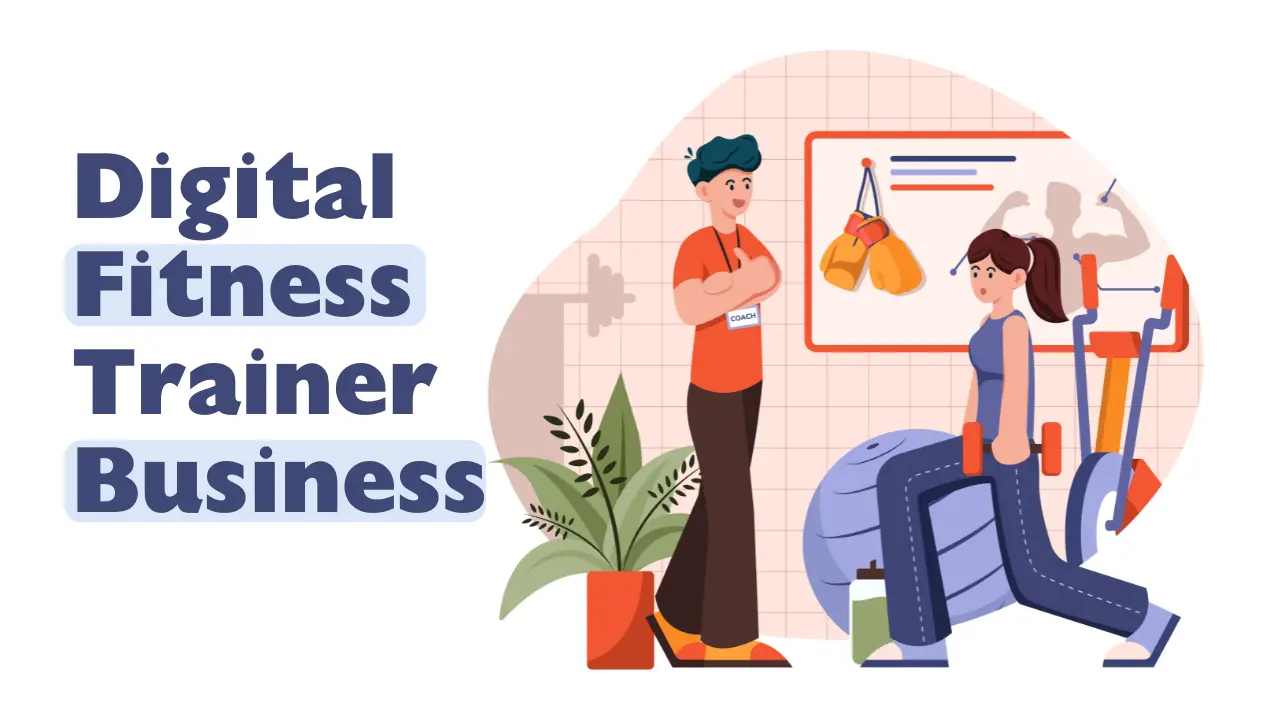
Overview and Introduction Virtual Fitness Trainer Business
The business requires a laptop, stable internet, and fitness skills for low investment.
You may work remotely, set your own schedule, and reach clients globally with its flexibility and scalability.
Virtual training offers individualized fitness plans, making it more enticing to consumers seeking unique solutions.
Selling pre-recorded training videos, eBooks, or subscription-based fitness plans can provide passive revenue.
Beginning a Virtual Fitness Trainer Business
Get certified by a reputable organization.
Establish your specialization and internet presence.
Buy nice cameras, microphones, lights, and exercise gear.
Create a pricing plan and provide bundles for different budgets.
Promote your business using content, email, collaborations, and paid ads.
Provide excellent service, personalized fitness routines, and feedback to enhance services.
Benefits of a Virtual Fitness Trainer Business
Global Reach: Training clients worldwide. Flexible Schedule: Work at your own speed.
Higher Profit Margins: Lower overhead costs retain more earnings.
Client Retention: Regular communication and individual attention boost client satisfaction and retention.
Innovation: Improve customer experiences using AI-powered apps, wearable tech, and virtual reality.
How to Overcome Challenges
Display client testimonials and before/after photographs to build trust online.
Technical Issues: Buy trustworthy hardware and software.
Setting objectives and tracking progress will keep you motivated.
Virtual Fitness Trainers Make a Difference
Kayla Itsines: Built a multimillion-dollar enterprise by giving virtual fitness regimens to women worldwide. Joe Wicks: Famous for his internet fitness videos, now provides personalized virtual instruction.
Adriene Mishler: Created Yoga With Adriene, gained popularity by delivering free yoga classes on YouTube.
Scaling Your Virtual Fitness Trainer Business Tips
Create eBooks, meal plans, and training videos to sell.
Corporate Wellness Programs: Provide virtual workout sessions to staff.
Private Facebook groups or membership sites can build community.
Automate scheduling and marketing with Calendarly and Mailchimp.
Increase Your Services: Offer nutrition coaching, mental health support, and wellness retreats.

Welcome to TrueUpdater! Our dedicated admin team is committed to bringing you the latest and most accurate news from around the world. With a keen eye for detail and a passion for journalism, our admins ensure that every piece of information is thoroughly verified and timely. Whether it’s breaking news, advancements, or insightful articles, the TrueUpdater team works tirelessly to keep you informed and engaged. Join us on this journey of knowledge and stay updated with TrueUpdater.